|Discover how a strand of hair is transformed into a timeless diamond
A strand of hair may seem like something small.
It can rest quietly in your hand, stay tucked inside an envelope, or remain carefully stored for years. Physically, it weighs almost nothing. Yet emotionally, it can hold an entire world of meaning.
It may come from someone you love. It may be your baby’s first haircut. It may be fur from a loyal companion who never left your side. Or it may simply be a small reminder of a presence you wish to keep close.
At LumenIsle, we transform hair, pet fur, and other meaningful organic materials into memorial diamonds. The process itself is rooted in science, but the reason people choose it is deeply personal.
Behind every memorial diamond is a story. This guide explores how hair becomes a diamond, what happens during the transformation, and why the finished piece often carries meaning far beyond its size.
|Why Hair Can Become Part of a Diamond
The answer begins with one element: carbon.
Hair naturally contains carbon, and diamond itself is made entirely of carbon. That simple scientific connection forms the foundation of the process.
Human hair consists primarily of keratin, a natural protein that contains carbon alongside other elements. Pet fur shares a similar organic structure. Before a diamond can be grown, the carbon within these materials must first be extracted, purified, and prepared for diamond growth.
The original strand of hair does not remain unchanged. During the process, it undergoes a complete transformation. What remains significant is not the physical strand itself, but the carbon source and the story connected to it.
This is where science and sentiment meet: something delicate and temporary becomes part of something designed to endure.

|What kind of diamond is created?
A hair diamond is a real laboratory-grown diamond.
It is not glass, resin, cubic zirconia, or a symbolic imitation. When properly created and certified, it possesses the same crystal structure found in natural diamonds.
PS:
The most accurate way to describe it is:
A laboratory-grown diamond created using carbon extracted from hair or fur.
A memorial diamond should be understood for what it truly is: an authentic lab-grown diamond with a deeply personal origin.
|The Five-Step Journey: From Hair to Diamond
1. Collect the hair or fur
Every journey begins with something personal.
For most LumenIsle orders, approximately 3–5 grams of hair or pet fur is sufficient to begin the process. The material should be dry.
Some people send hair saved from a child’s first haircut. Others use strands preserved for years, or fur carefully brushed from a beloved pet.
For many families, this step feels emotional. Sending away something deeply personal can feel significant. That is why each stage is designed to be clear, gentle, and carefully guided from the beginning.
Once received, each sample is documented and prepared for laboratory processing.
2. Extracting and Purifying the Carbon
Hair contains much more than carbon alone.
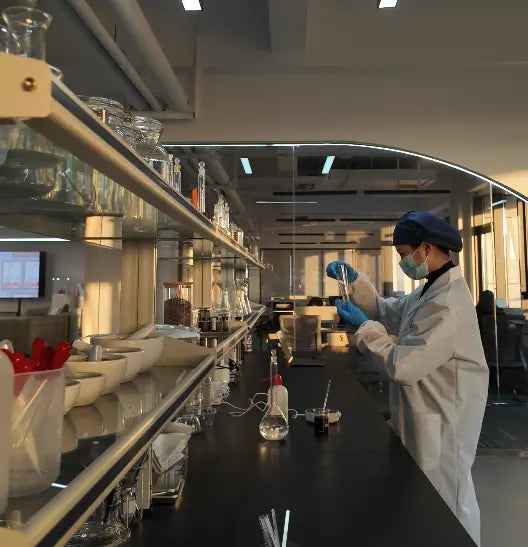
To grow a diamond, the carbon must first be separated from proteins, moisture, and other organic components. Through carefully controlled heating and purification procedures, the original structure gradually breaks down.
What remains is a highly refined carbon source.
Purity matters because diamond growth depends on consistency. Cleaner carbon can help support stronger crystal development and reduce impurities that may influence color, clarity, or internal structure.
In simple terms, the laboratory is uncovering and refining the carbon hidden within the hair—preparing it for its next form.
3. Preparing Carbon for Diamond Growth
Once purification is complete, the carbon must be prepared for the next stage: crystal formation.
Graphite and diamond are both composed entirely of carbon. The difference lies in the arrangement of their atoms.
Under the right conditions: pressure, heat, time, and a diamond seed—carbon atoms can reorganize into a diamond crystal structure.
This stage represents one of the most fascinating parts of the process.
By this point, the original material has completely changed. It is no longer hair in any ordinary sense. Instead, it has become a refined carbon source ready for a new form.
The memory remains personal. The material itself begins a new journey.
4. Growing the Diamond Through HPHT Technology
At LumenIsle, memorial diamonds are grown using HPHT technology — High Pressure High Temperature.
Inside a specialized growth chamber, purified carbon, a diamond seed, and growth materials are exposed to conditions that closely replicate the natural environment in which diamonds form deep within the earth.
The diamond seed serves as a starting point. Over time, carbon atoms gradually attach to the seed and crystallize layer by layer until a rough diamond forms.
The seed itself is a standard and essential part of laboratory diamond growth. It does not diminish the significance of the process. The personal carbon creates the material connection; the seed simply provides the crystal foundation.
Growth cannot be rushed.
Smaller diamonds may require less time, while larger memorial diamonds often require a longer journey. Unlike selecting a finished stone from inventory, each diamond is created individually and gradually.
5. Cutting, Polishing, and Certification
When the growth stage is complete, the result is a rough diamond.
At this point, it does not yet look like finished jewelry. A rough diamond may have an uneven shape, surface marks, or natural growth characteristics. It must be studied before

cutting and polishing.
Skilled cutters examine the rough diamond and decide how to shape it for beauty, durability, and light performance. Popular cuts include round, princess, oval, radiant, pear, emerald, and marquise. Some people choose a classic shape. Others choose a cut that feels closer to the memory or personality behind the diamond.
After cutting and polishing, the diamond can be inspected and certified. Certification helps confirm characteristics such as carat weight, color, clarity, and cut. It also helps clearly identify the diamond as laboratory-grown.
Hair is delicate.
It can be brushed away, stored in a small envelope, or quietly kept for years.
Diamond is different.
It catches light. It endures.
Scientifically, the journey from hair to diamond is a transformation of carbon.
But emotionally, it often becomes something more.
Something once deeply personal becomes something visible.
Something temporary becomes something lasting.
At LumenIsle, every material begins with a story.
And every story deserves to be preserved with care.
| Is the hair still inside the diamond?
TThe original strand itself does not remain physically inside the finished diamond.
During the process, the hair breaks down and its carbon is extracted and refined. The final result is not hair preserved within a stone.
Instead, it is a genuine diamond grown from carbon originating from that source.
For many people, this makes the transformation feel even more meaningful.
The material changes completely, yet the connection remains.
|Is a hair diamond real?
Yes. A properly created hair diamond is a real laboratory-grown diamond.
It possesses the same essential crystal structure as a mined diamond and is not a coating, replica, or symbolic substitute.
The difference lies only in origin.
Natural diamonds form underground over immense geological periods. Laboratory-grown diamonds are created in carefully controlled environments using advanced technology.
Both are diamonds.
The journey is simply different.
· Will my hair/fur ever be used for anything other than my diamond?
·Can I choose the size, color, and cut?
·Do I need to be involved throughout the process?
Share:
Best Memorial Diamond Brands: 2026 Comparison Guide