
Why We Keep Things After Someone Is Gone: The Meaning Behind Personal Keepsakes
Some Things Are Difficult to Let Go Of
There are certain things we keep even when we don't have a practical reason to keep them.
A sweater that no longer fits anyone.
A handwritten note that has been read so many times the edges have started to soften.
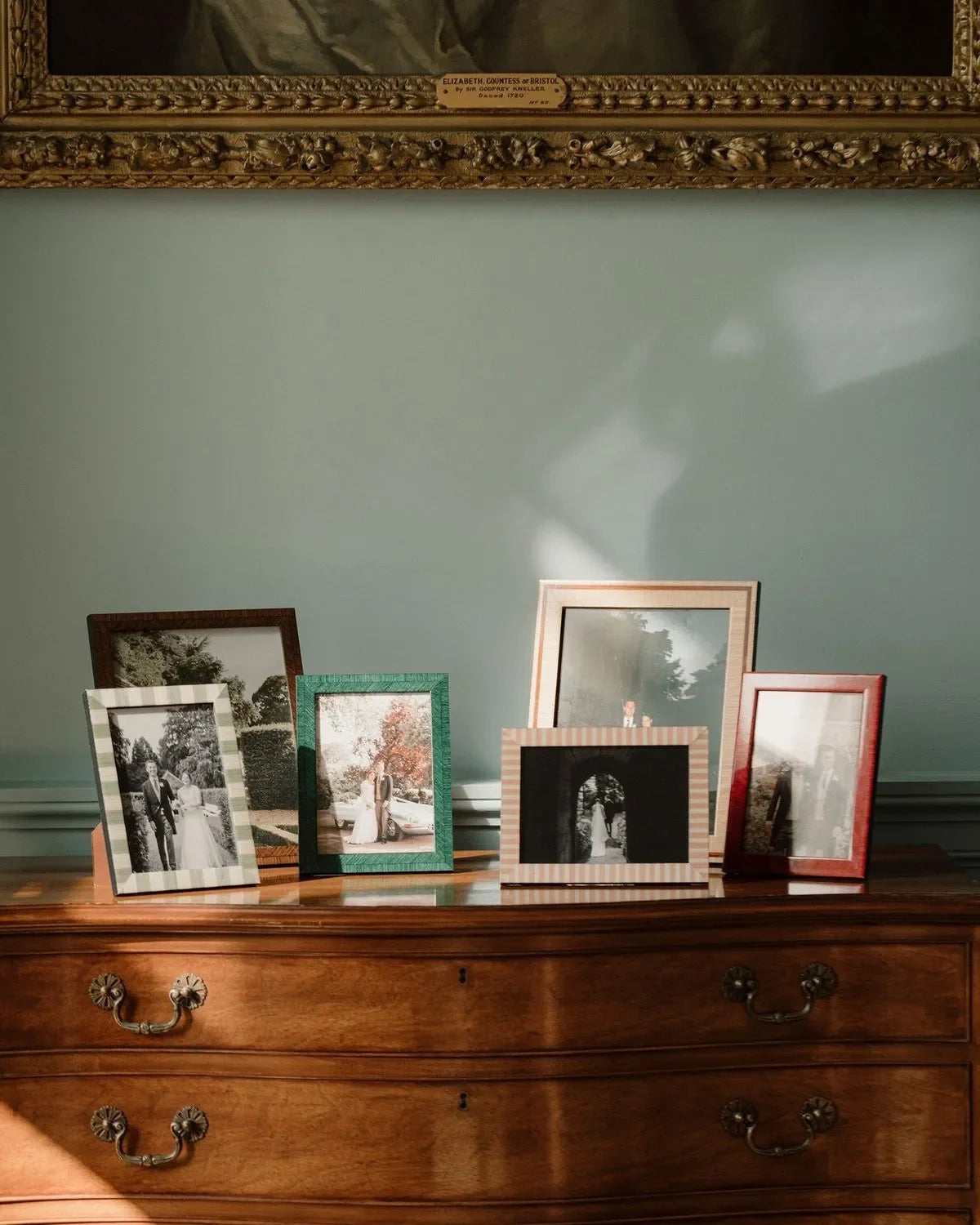
A photograph placed somewhere visible, even though we already know every detail in it.
Most of these things would seem ordinary to someone else. They may have little monetary value, and they may not serve any everyday purpose. Yet for the person who keeps them, they can become some of the most meaningful belongings they own.
Because sometimes, we are not really keeping the object.
We are keeping the connection attached to it.
Why Do Ordinary Things Become So Meaningful?
When someone we love is no longer part of our daily lives, we often look for small ways to feel close to them.
It might happen without us even noticing.
You hear a song they loved while driving and suddenly think of them. You make a meal they used to prepare and remember exactly how they did it differently. You walk past a garden and still stop to water the flowers because they planted them years ago.
Sometimes, you may even find yourself speaking quietly to a photograph, telling them about something that happened during your day.
It is not because you expect an answer.
It is because relationships do not simply disappear when someone is gone. They continue through the habits, memories, and small moments that remain part of our lives.
This is why certain belongings become more than objects. They become reminders of a person who shaped our story.
Many people describe this lasting connection as part of a person's legacy — not simply what they leave behind, but the memories, values, and influence that continue through the people who loved them.
The Things We Save Often Tell a Story
Throughout history, people have preserved meaningful belongings as a way of carrying memories forward.
A grandmother's recipe book becomes something a family uses for generations. A wedding ring becomes an heirloom passed from one person to another. Letters written decades ago are carefully stored because they allow future generations to hear a voice that might otherwise be forgotten.
The value of these things is not found in the material itself.
It is found in the story it carries.
A photograph is not meaningful because of the paper it is printed on. A letter is not meaningful because of the ink. A keepsake matters because it creates a connection between the past and the present.
In many ways, these objects become bridges between moments that would otherwise feel separated by time.
Why Hair Holds a Unique Place in Remembrance
Among the many things people choose to preserve, hair has always carried a particularly personal meaning.
Unlike many belongings, hair is something directly connected to a person. It was once part of their everyday life—the way they looked, the way family members recognized them, and the memories created around them.
For generations, people have saved locks of hair as keepsakes. Today, some families continue this tradition in new ways, preserving hair as part of memorial jewelry or other meaningful creations.
A small envelope containing a lock of hair may seem simple, but emotionally, it can represent something much larger: a moment in time, a relationship, and a reminder that someone mattered.
Turning a Meaningful Keepsake Into Something You Can Carry
For some people, keeping a lock of hair safely stored away is enough. For others, the desire is to transform that memory into something that can become part of everyday life.
This is one reason some families choose to create memorial diamonds from meaningful organic materials such as hair. Through a carefully controlled scientific process, the carbon within these materials can be transformed into a genuine laboratory-grown diamond—a lasting keepsake designed to preserve a personal connection.
The diamond does not replace the photographs, stories, or traditions that already exist.
Instead, it becomes another way to carry them.
A ring worn on an ordinary day.
A pendant that becomes part of a family's story.
A piece of jewelry that eventually leads someone to ask:
"What is the story behind this diamond?"
And with that question, a memory begins again.
If you would like to learn more about the science behind this process, explore our guide: How Hair Becomes a Diamond: The Science Behind a Deeply Personal Keepsake.
A Keepsake Is Not About Holding Onto the Past
Some people worry that keeping belongings after a loss means they are unable to move forward.
But perhaps remembrance was never about staying in the past.
Perhaps it is about recognizing that the people we love continue to influence the lives we live today.
The recipes we continue making.
The traditions we continue following.
The stories we continue telling.
The values we continue passing on.
These things are not signs that someone is gone.
They are reminders that someone was here.
The Most Meaningful Things Are Often the Ones That Connect Us
Years from now, someone may notice a piece of jewelry you wear or discover an old photograph in a family album.
They may ask a simple question:
"Who was that?"
And you may find yourself smiling before answering.
Not because the past has returned.
But because a story that mattered is being told again.
At Lumenlsle, every diamond we create begins with that idea: that meaningful connections deserve a way to remain part of the lives they helped shape.
Whether it is created to honor someone who has passed away or celebrate a meaningful moment that is still unfolding, a diamond can become a way to preserve the stories that matter most. Explore Living Diamonds to discover another way families are turning personal moments into lasting keepsakes.
Share:
How to write an obituary
Legacy Synonym: Another Word for Legacy, Memory, and Lasting Love